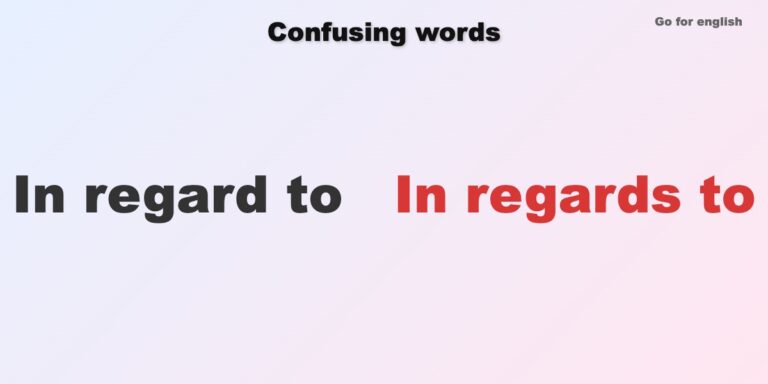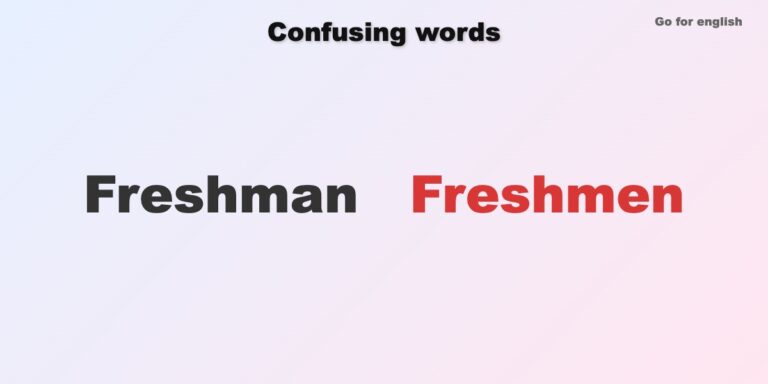
Freshman vs Freshmen

In the world of education, language can often be a source of confusion, and the terms “freshman” and “freshmen” are no exception. For many learners, distinguishing between these two words can feel like a small but significant hurdle on the path to mastering English. Understanding...
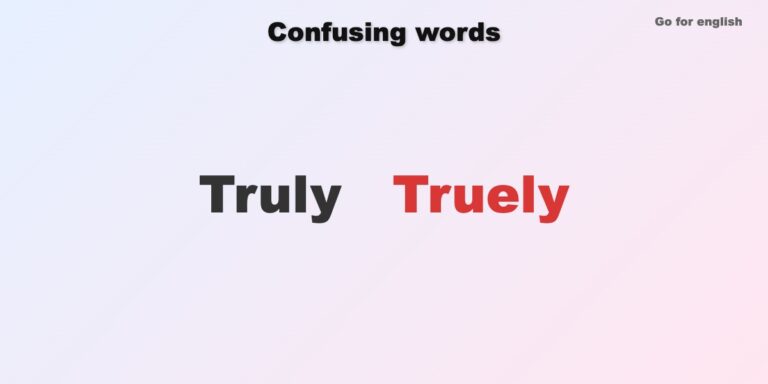
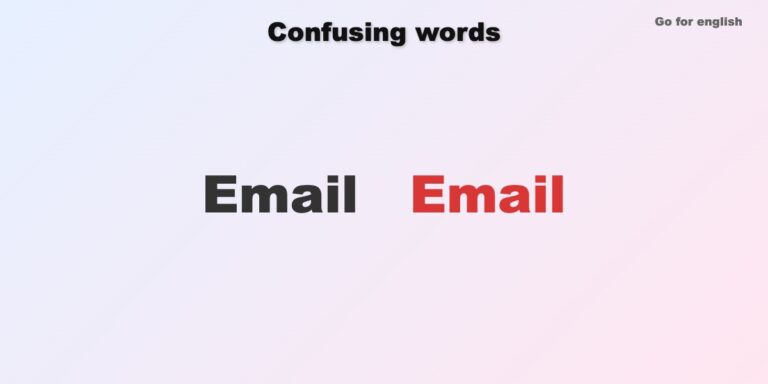
E-mail vs Email

In an age where digital communication reigns supreme, the subtle distinction between “E-mail” and “Email” often leaves even the most seasoned writers scratching their heads. This seemingly minor detail can lead to confusion, especially for English learners striving for fluency and accuracy in their writing....

Enrolment vs Enrollment

In the world of language learning, even the smallest differences can lead to big misunderstandings, and few examples illustrate this better than the terms “enrolment” and “enrollment.” While they might seem interchangeable at first glance, these variations can create confusion, particularly for English learners navigating...

Fulfil vs Fulfill

The English language is filled with nuances that can often leave learners scratching their heads, especially when it comes to seemingly simple words like “fulfil” and “fulfill.” This confusion is not just a minor hiccup; it can impact clarity in communication and writing. Understanding the...

Benefitted vs Benefited

The English language is filled with nuances that often leave learners scratching their heads, and the distinction between “benefitted” and “benefited” is no exception. As you navigate the complexities of English, grasping this difference can enhance your writing and speaking skills, ensuring that you convey...

Cast vs Casted

The English language is filled with words that can confound even the most seasoned speakers, and the distinction between “cast” and “casted” is a prime example of this perplexity. For learners, grasping the nuances of such terms is crucial, as it not only enhances their...

Choose vs Chose: Understanding the Difference for Better Writing

The subtle nuances of the English language can often leave learners scratching their heads, especially when it comes to words that sound alike but have different meanings. Take “choose” and “chose,” for instance; these two terms can easily trip up even the most diligent students....

Passed vs Past

The distinction between “passed” and “past” often leaves English learners scratching their heads, wondering which term to use in various contexts. This common source of confusion can lead to misunderstandings in both writing and conversation, making it essential for language enthusiasts to grasp the nuances...

Worse vs Worst

In the realm of English language, the subtleties of word choice can often lead to confusion, especially when it comes to terms like “worse” and “worst.” Many learners grapple with these two words, unsure of when to use each, which can lead to misunderstandings in...

Your vs You’re: Understanding the Difference for Better Writing

Confusion often arises in the realm of English grammar, particularly when it comes to the distinction between “your” and “you’re.” These two terms may sound similar, but they serve very different purposes in writing. For learners, grasping the differences between these two words is crucial,...

Adapter vs Adaptor

In the world of language, subtle differences can often lead to significant confusion, and the terms “adapter” and “adaptor” are no exceptions. For English learners, grasping the nuances between these two spellings is crucial, as it can impact both written communication and understanding in various...

Incase vs In case

In the labyrinth of the English language, it’s easy to stumble upon phrases that seem almost identical yet carry distinct meanings—take “incase” and “in case,” for instance. For many learners, this subtle difference can lead to confusion and miscommunication. Understanding the correct usage not only...

Alot vs A lot

The English language is filled with nuances that can leave even the most seasoned writers scratching their heads, and the distinction between “alot” and “a lot” is a prime example of this perplexity. For many learners, getting this right is crucial, not just for grammar...

Picture vs Photo

In an age where images dominate our daily lives, many people find themselves puzzled by the terms “picture” and “photo.” While often used interchangeably, these words carry distinct meanings that can enhance your communication skills in English. For learners, grasping the nuances between these terms...

Began vs Begun: Understanding the Difference and Usage

In the world of English grammar, few pairs of words cause as much confusion as “began” and “begun.” Many learners find themselves puzzled when deciding which form to use, often leading to uncertainty in their writing and speaking. Grasping the distinction between these two simple...

You singular vs You plural

In a world where communication is key, the distinction between “you” as a singular and “you” as a plural can often lead to confusion. Many learners find themselves puzzled when trying to navigate conversations, especially in diverse settings where context matters. Understanding whether you’re addressing...

Dieing vs Dying: Understanding the Difference and Common Mistakes

The English language is filled with words that can easily trip us up, and the distinction between “dieing” and “dying” is a classic example of this confusion. For learners, mastering these subtle differences is crucial, as it not only enhances vocabulary but also improves overall...

Ms. vs Mrs.

The distinction between Ms. and Mrs. can often leave even the most seasoned English speakers scratching their heads. This seemingly simple choice carries with it layers of social implications and personal preferences that can significantly impact communication. For learners of English, mastering these titles isn’t...

In regard to vs In regards to

In the intricate world of English language nuances, the phrases “in regard to” and “in regards to” often leave learners scratching their heads. This subtle distinction can be the source of significant confusion, especially for those striving to communicate with precision and clarity. Understanding when...

Begin typing your search term above and press enter to search. Press ESC to cancel.

Back To Top