Fibre vs Fiber

It’s not uncommon to feel a bit puzzled when faced with the terms “fibre” and “fiber,” especially since they seem to refer to the same thing but are spelled differently. This confusion often stems from regional variations in English, which can lead to misunderstandings for...
Implicit vs Explicit

In the intricate world of language and communication, the terms “implicit” and “explicit” often create a web of confusion for many learners. It’s not uncommon to find yourself puzzled when trying to decipher whether a message is directly stated or subtly hinted at. Grasping the...

Compare to vs Compare with

In the world of English, where subtle nuances can change the meaning of a sentence, the distinction between “compare to” and “compare with” often leaves learners scratching their heads. This confusion isn’t just a matter of grammar; it can impact how effectively you communicate your...

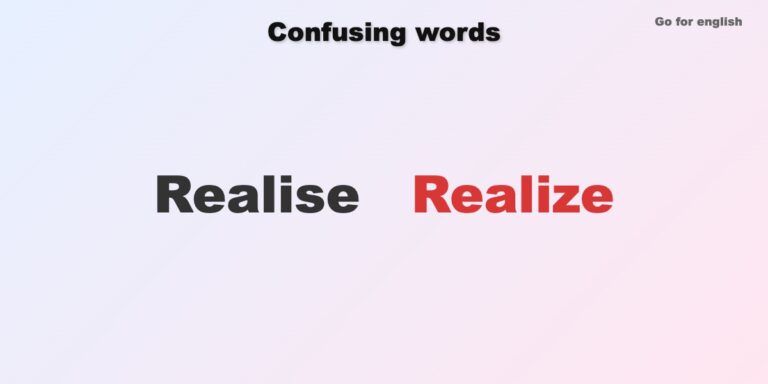
Realise vs Realize

The subtle nuances of language can often lead to confusion, and few pairs of words illustrate this better than “realise” and “realize.” For many learners of English, distinguishing between these two spellings can pose a challenge, especially when both forms are used interchangeably in different...

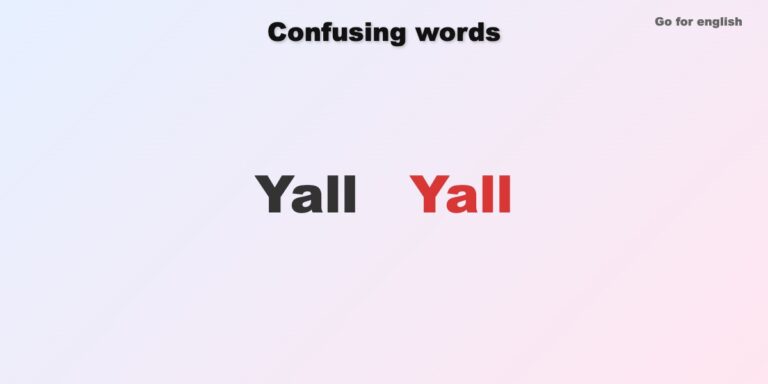
Y’all vs Ya’ll

In the rich tapestry of the English language, few distinctions spark as much debate as the difference between “Y’all” and “Ya’ll.” For many learners, these two terms can be a source of confusion, often leading to miscommunication in casual conversation. Grasping the nuances of these...

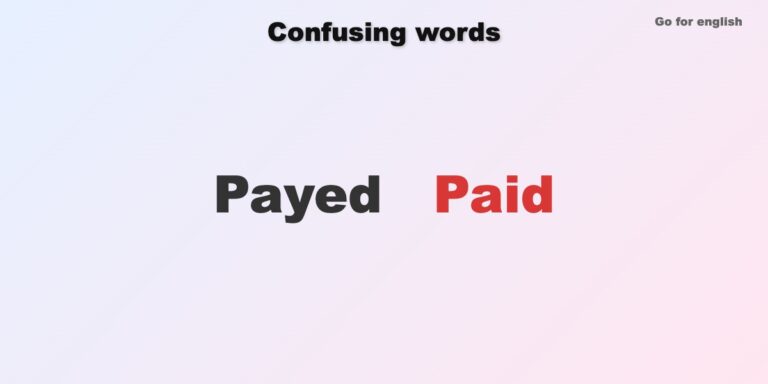
Payed vs Paid

The English language is filled with nuances that can trip up even the most seasoned learners, and the distinction between “payed” and “paid” is a prime example. This common mix-up often leaves people scratching their heads, as both terms sound similar but serve very different...

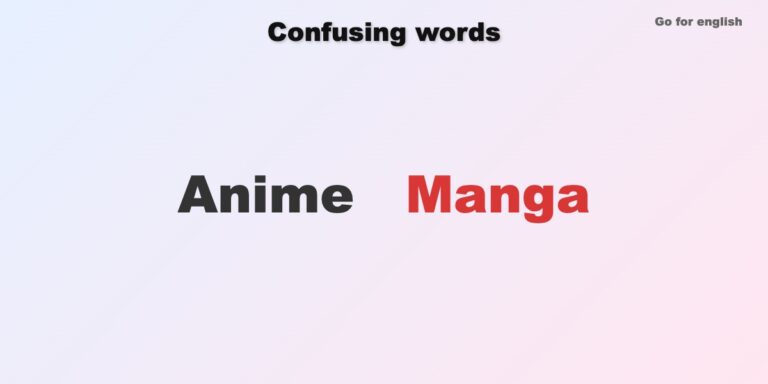
Anime vs Manga: Understanding the Key Differences and Similarities

The debate between Anime and Manga often leaves newcomers scratching their heads, as the lines between these two popular forms of Japanese entertainment can be surprisingly blurred. For learners eager to dive into the vibrant worlds they offer, grasping the distinctions is crucial—not only to...

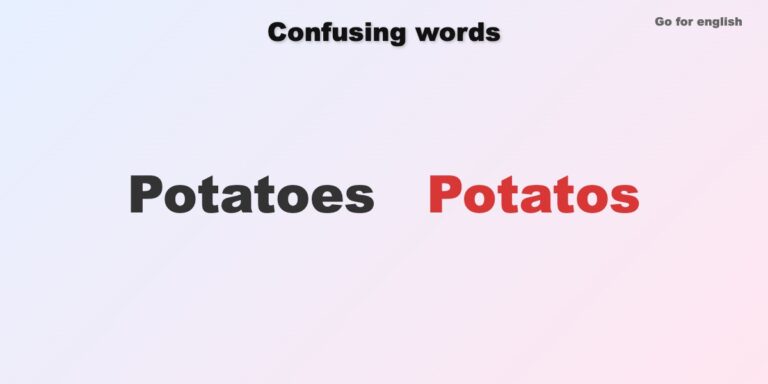
Potatoes vs Potatos

The debate over “potatoes” versus “potatos” is a classic example of how one small letter can lead to significant confusion among English learners. With the intricacies of the English language, it’s essential to grasp the distinctions between similar words, especially when they can impact both...

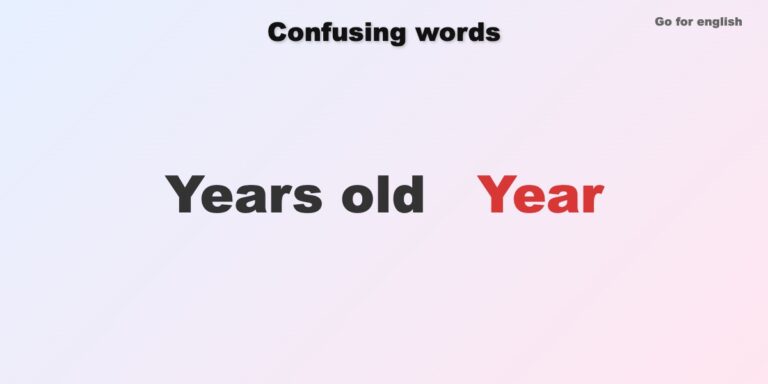
Years old vs Year-old

The nuances of the English language can often leave learners scratching their heads, especially when it comes to seemingly simple phrases like “years old” and “year-old.” These two expressions may appear interchangeable at first glance, but understanding their distinct usage is crucial for clear communication...

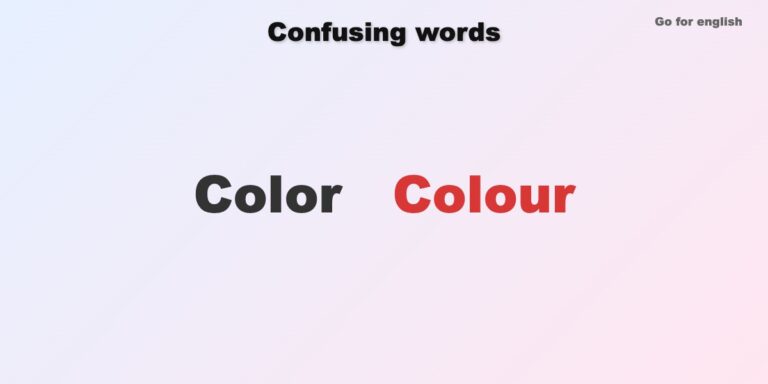
Color vs Colour

The debate between “color” and “colour” may seem trivial at first glance, but it often leaves English learners scratching their heads. Understanding this distinction isn’t just about spelling; it reflects deeper cultural nuances and can enhance your communication skills. Whether you’re crafting an essay or...

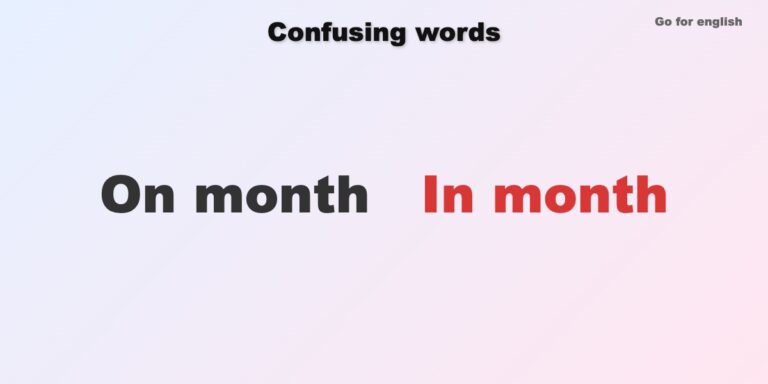
On month vs In month

The nuances of the English language can sometimes feel overwhelming, especially when it comes to prepositions like “on” and “in” for expressing time. Many learners find themselves puzzled by phrases like “on month” versus “in month,” unsure of when to use each one correctly. Grasping...

Jewelry vs Jewellery

In the world of adornment, the terms “jewelry” and “jewellery” often spark a delightful confusion among English learners. While they may seem interchangeable at first glance, the subtle distinction between these two spellings can reflect deeper cultural nuances, particularly between American and British English. For...

Counselling vs Counseling

The subtle distinction between “counselling” and “counseling” can often leave English learners scratching their heads. This confusion is not just a matter of spelling; it reflects deeper nuances in language and cultural variations between British and American English. Understanding these differences is crucial for effective...

Setup vs Set up

The English language is full of nuances, and one of the most commonly misunderstood pairs is “setup” and “set up.” For many learners, distinguishing between these two terms can feel like trying to navigate a maze. Grasping the difference is crucial, not just for mastering...

Its vs Their

English can often feel like a puzzle, especially when it comes to words that sound similar but serve different purposes—like “its” and “their.” This confusion can lead to misunderstandings in both writing and conversation, making it essential for learners to grasp the distinctions between these...

Yours vs Your’s

In the world of English grammar, few things can trip up learners quite like the subtle differences between similar-sounding words. The distinction between “yours” and “your’s” often leaves many scratching their heads, unsure of when to use each form. Grasping this difference is crucial not...

Loss vs Lost: Understanding the Difference for Better English Usage

The distinction between “loss” and “lost” often trips up even the most diligent English learners, leading to confusion in both writing and conversation. Mastering these terms is crucial, as they not only convey different meanings but also reflect the nuances of the English language. Understanding...

Spoiled vs Spoilt

In the world of English, nuances can often lead to confusion, and the terms “spoiled” and “spoilt” are prime examples of this linguistic puzzle. Many learners find themselves puzzled over which form to use, especially since both words appear to convey the same meaning. Understanding...

Mom vs Mum

In the colorful tapestry of the English language, the terms “Mom” and “Mum” often spark confusion among learners and even seasoned speakers. While both words refer to the same cherished figure in our lives, the choice between them can vary dramatically depending on cultural context...

Begin typing your search term above and press enter to search. Press ESC to cancel.

Back To Top