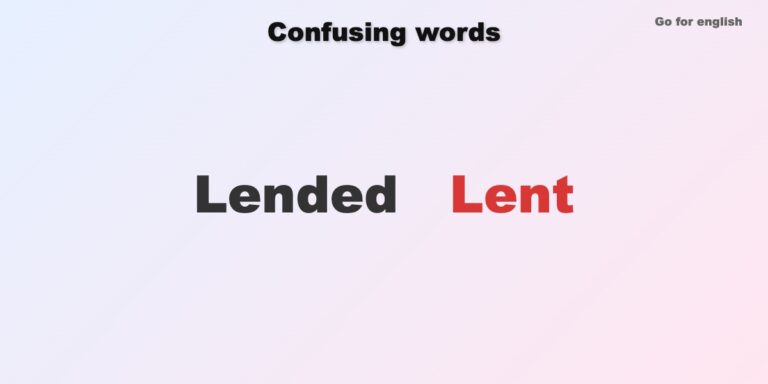
Lended vs Lent

Many English learners find themselves puzzled by the subtle differences between “lended” and “lent,” often questioning which term to use in their writing and conversations. This confusion is understandable; after all, mastering verb forms is crucial for effective communication. Recognizing the correct context for these...
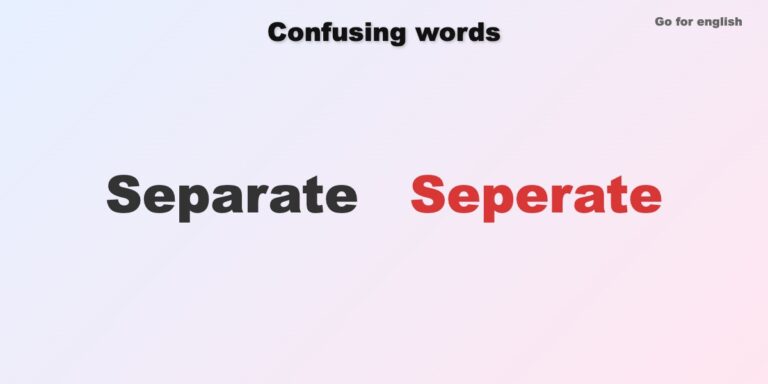
Separate vs Seperate

Many English learners find themselves puzzled by the spelling of certain words, and one of the most commonly confused pairs is “separate” and “seperate.” This confusion can lead to misunderstandings in both writing and communication, making it crucial for learners to grasp the correct usage....

Accidently vs Accidentally

Misunderstandings in the English language can often lead to amusing mix-ups, and the words “accidently” and “accidentally” are perfect examples of this common pitfall. For those learning English, grasping the nuances between similar-sounding words is crucial, as it not only enhances vocabulary but also boosts...

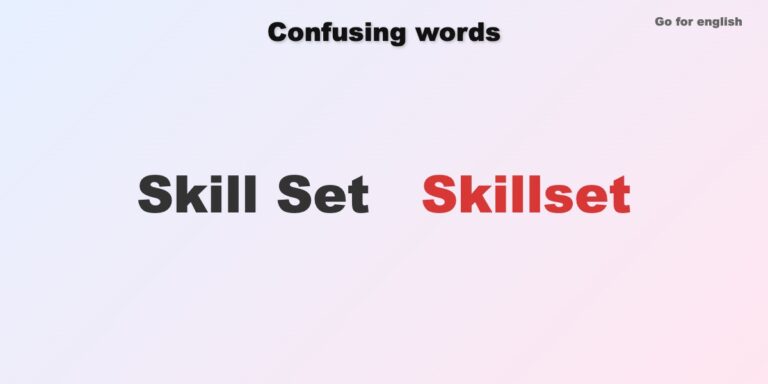
Skill Set vs Skillset

In the world of professional development, the terms “Skill Set” and “Skillset” often lead to confusion, leaving many learners puzzled about their meanings and uses. Understanding the subtle nuances between these two terms is crucial, especially for those looking to enhance their resumes or navigate...

Former vs Latter

Navigating the nuances of the English language can often feel like traversing a maze, especially when it comes to terms like “former” and “latter.” Many learners encounter confusion when trying to distinguish between these two words, which can lead to misunderstandings in both writing and...

Labeled vs Labelled

In the world of English language learning, even the smallest spelling differences can spark significant confusion, particularly when it comes to the words “labeled” and “labelled.” For many learners, these two variations represent more than just a simple choice; they highlight the subtle nuances between...

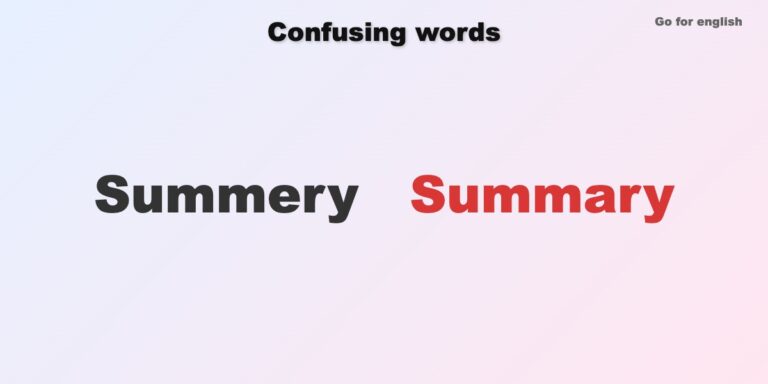
Summery vs Summary

The English language is filled with nuances that can often leave learners scratching their heads, and the confusion between “summery” and “summary” is a prime example. These two words, while similar in appearance, have distinct meanings that can change the context of your writing entirely....

Hi vs Hello: Understanding the Differences and Uses

In the world of greetings, the distinction between “Hi” and “Hello” can often leave English learners scratching their heads. While both expressions serve the same purpose of initiating conversation, the nuances between them can significantly impact the tone and context of your interactions. Grasping these...

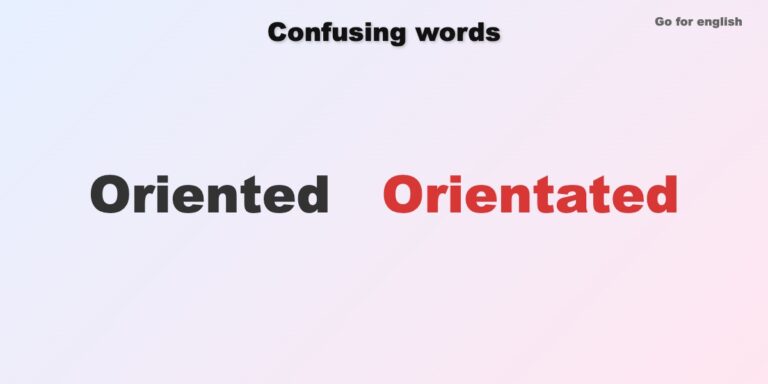
Oriented vs Orientated

Language can often feel like a maze, and one common puzzle for English learners is the choice between “oriented” and “orientated.” While these words may seem interchangeable, understanding their nuances can significantly enhance your communication skills. For learners striving to master English, distinguishing between these...

His vs Him: Understanding the Difference for Better English Grammar

In the intricate world of English grammar, the distinction between “his” and “him” often leaves learners scratching their heads. These two words may seem similar, but they serve different roles in sentences, and grasping their usage is essential for effective communication. Misusing them can lead...

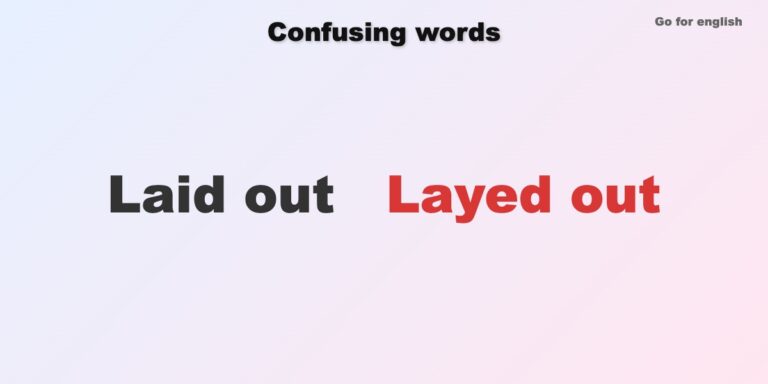
Laid out vs Layed out

The English language is filled with subtle nuances that can trip up even the most seasoned speakers, and the distinction between “laid out” and “layed out” is a prime example. For learners, grasping these differences is crucial not only for mastering vocabulary but also for...

With regard to vs With regards to

In the intricate world of English, even the smallest nuances can trip up even the most diligent learners, and the phrases “with regard to” and “with regards to” are prime examples of this linguistic conundrum. Mastering these expressions is crucial, not only to enhance clarity...

Nevermind vs Never Mind

Confusion often arises in the English language, especially when it comes to phrases that sound similar but carry different meanings, such as “nevermind” and “never mind.” For learners of English, grasping these nuances is essential not only for effective communication but also for avoiding misunderstandings...

Conform vs Confirm

In the world of English, subtle nuances can often lead to confusion, especially when it comes to similar-sounding words like “conform” and “confirm.” Many learners find themselves puzzled by these terms, as both play significant roles in everyday language yet convey distinct meanings. Grasping the...

Kickoff vs Kick-Off

In the world of English language nuances, few pairs of terms spark as much debate as “kickoff” and “kick-off.” For many learners, distinguishing between these two seemingly similar words can feel like navigating a linguistic maze. Understanding the difference is not just a matter of...

Anyway vs Anyways

In the world of English language learning, few topics spark as much debate as the distinction between “anyway” and “anyways.” For many, these two terms seem interchangeable, leading to questions about their proper usage. However, grasping the nuances between them is essential for anyone looking...

Light vs Lite

In a world where language constantly evolves, the terms “light” and “lite” often trip up even seasoned English speakers. This confusion can lead to misunderstandings in both casual conversations and professional contexts, making it crucial for learners to grasp the distinction. Understanding these two words...

Whom vs Whome

The distinction between “whom” and “who” often leaves even the most seasoned writers scratching their heads, and it’s easy to see why. In a world where clarity in communication is paramount, mastering these two words can significantly enhance your writing skills and boost your confidence...

How Many vs How Much

The distinction between “how many” and “how much” often leaves English learners scratching their heads, unsure of when to use each phrase. This confusion can arise because both expressions serve the purpose of inquiring about quantities, yet they apply to different contexts. Mastering this difference...

Begin typing your search term above and press enter to search. Press ESC to cancel.

Back To Top