At university vs In university

The phrases “at university” and “in university” often lead to a perplexing dilemma for English learners, sparking debates over which is the correct expression to use. This confusion can impact not only language proficiency but also the clarity of communication in academic settings. Grasping the...

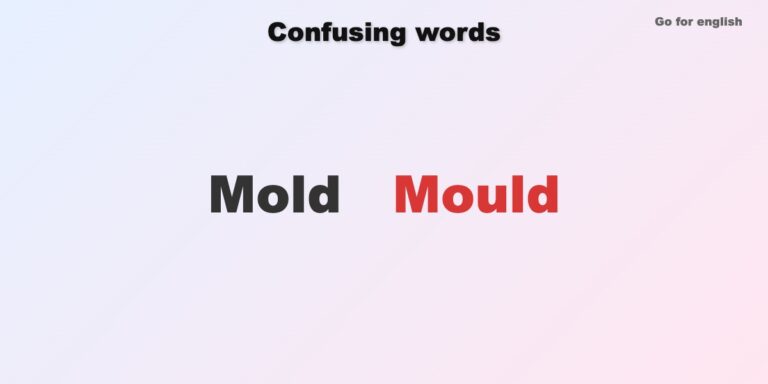
Mold vs Mould

The terms “mold” and “mould” often leave English learners scratching their heads, as these seemingly interchangeable words can create confusion across different regions. Understanding the distinction between American and British English not only enhances your vocabulary but also sharpens your communication skills, enabling you to...

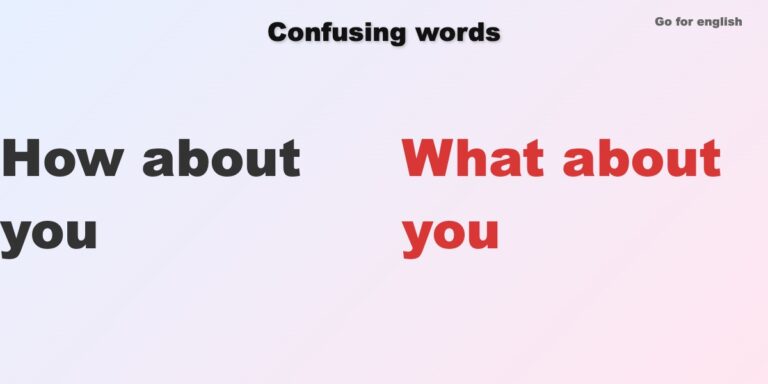
How about you vs What about you

In the world of English conversation, small phrases can sometimes create big confusion, especially when it comes to “How about you?” and “What about you?” While they may seem interchangeable at first glance, grasping their subtle differences can enhance your communication skills and help you...

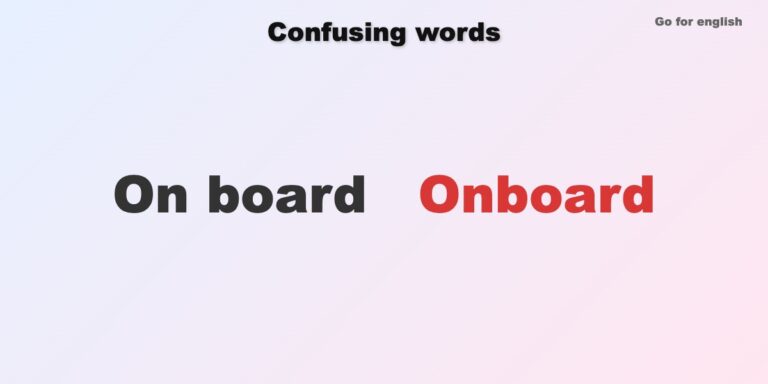
On board vs Onboard

In the world of English, even the smallest distinctions can lead to big confusion, and few pairs of terms illustrate this better than “on board” and “onboard.” For learners, mastering these subtle variations is not just about grammar; it’s about enhancing clarity and professionalism in...

Travelling vs Traveling

Have you ever found yourself puzzled over whether to spell it “travelling” or “traveling”? This common dilemma can leave English learners scratching their heads, especially since the difference often depends on where you’re from. Understanding the distinction between these two variations is crucial, not only...

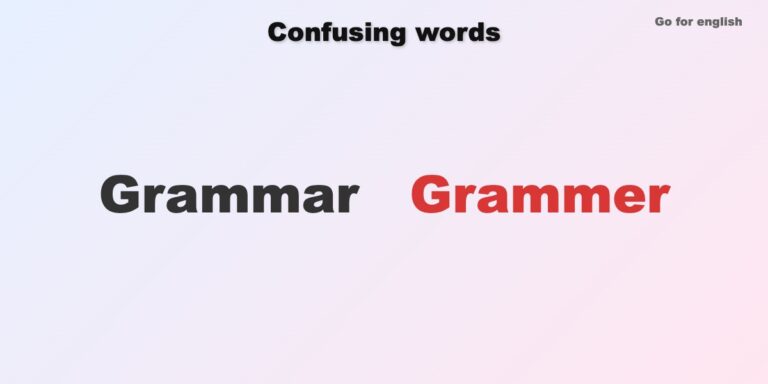
Grammar vs Grammer

Have you ever found yourself second-guessing whether to write “grammar” or “grammer”? You’re not alone in this common pitfall that trips up many English learners. Understanding the distinction between these two terms is crucial, as it not only enhances your writing but also boosts your...

Flys vs Flies

The English language is filled with nuances that can leave even the most seasoned learners scratching their heads, and the distinction between “flys” and “flies” is no exception. Understanding this difference is crucial not just for mastering vocabulary, but also for effective communication in both...

Analysis vs Analyses

In the world of English language learning, few topics spark as much confusion as the distinction between “analysis” and “analyses.” Many learners encounter these terms and wonder why one is singular while the other is plural, often leading to uncertainty in both writing and conversation....

Forty vs Fourty

The English language can often be a tricky landscape to navigate, especially when it comes to numbers—just think of the common mix-up between “forty” and “fourty.” While it may seem like a minor detail, grasping the correct spelling is essential for learners aiming to communicate...

Tyre vs Tire: Understanding the Difference and Usage in English

Have you ever found yourself puzzled by the terms “tyre” and “tire,” wondering if they refer to the same thing or if there’s a significant difference between them? This common confusion highlights the variations in English spelling that can arise from regional differences, particularly between...

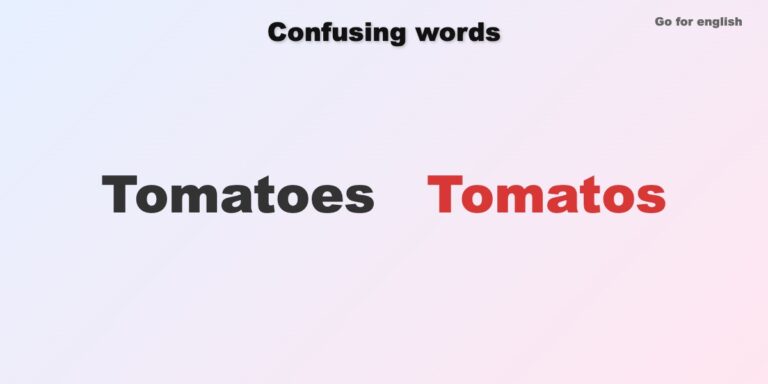
Tomatoes vs Tomatos

When it comes to the world of fruits and vegetables, few things spark as much confusion as the difference between ‘tomatoes’ and ‘tomatos.’ This seemingly minor variation can leave many English learners scratching their heads, wondering if they’ve stumbled upon a spelling mistake or an...

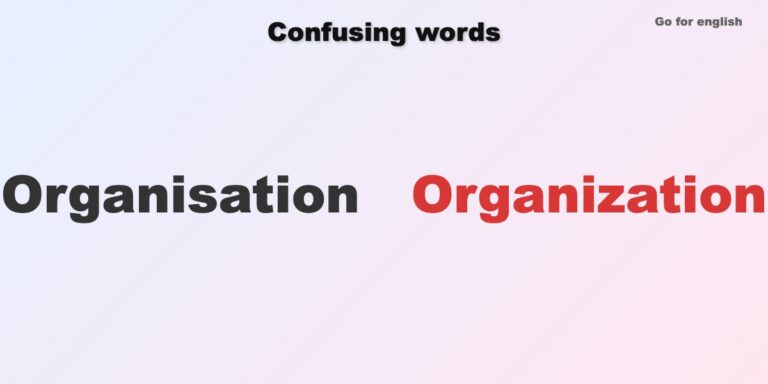
Organisation vs Organization

Many English learners find themselves puzzled by the subtle differences between “organisation” and “organization,” often unsure which spelling to use in their writing. This confusion is not just a matter of preference; it reflects deeper nuances in language that can impact communication and comprehension. For...

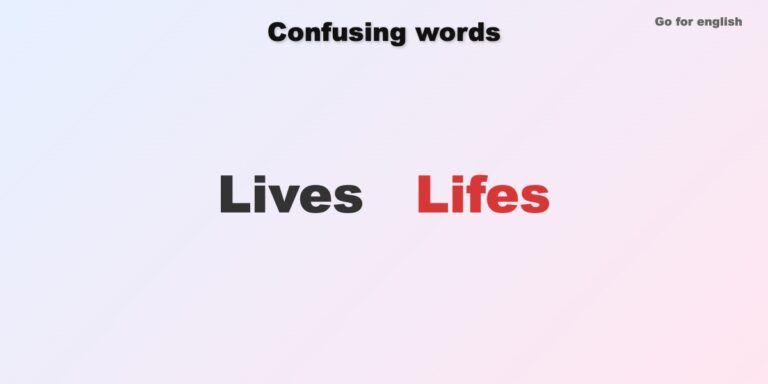
Lives vs Lifes

The English language is full of quirks that often leave learners scratching their heads, and the distinction between “lives” and “lifes” is no exception. This subtle yet significant difference can trip up even the most diligent students, making it crucial to grasp these terms to...

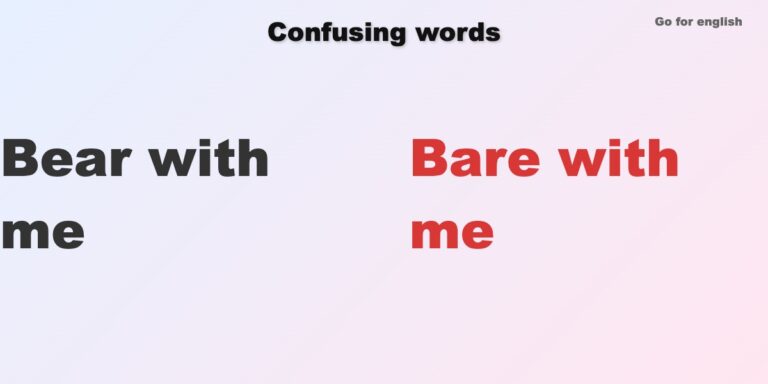
Bear with me vs Bare with me

In the realm of English language nuances, the phrases “bear with me” and “bare with me” often trip up even the most diligent learners. This confusion can lead to miscommunication and misunderstanding, making it essential for anyone looking to master the language to grasp the...

Grateful vs. Greatful

In the world of English vocabulary, few pairs of words stir up as much confusion as “greatful” and “grateful.” This common mix-up can trip up even the most seasoned writers, leaving learners scratching their heads. Understanding the distinction between these two terms is crucial, as...

Analyse vs Analyze

The English language is full of nuances that can leave even the most diligent learners scratching their heads, and the distinction between “analyse” and “analyze” is a prime example. This confusion often arises from the differences in spelling between British and American English, which can...

In the Office vs At the Office

In today’s fast-paced work environment, the phrases “in the office” and “at the office” can often lead to confusion, leaving many English learners scratching their heads. Understanding the subtle distinctions between these two expressions is crucial, as it can significantly enhance your communication skills and...

Pyjamas vs Pajamas: Understanding the Differences and Origins

The world of English can be filled with quirks and confusions, and the debate over “pyjamas” versus “pajamas” is a prime example of this linguistic puzzle. For learners of English, grasping these subtle distinctions is essential not just for vocabulary but also for cultural understanding,...

Begin typing your search term above and press enter to search. Press ESC to cancel.

Back To Top