Astronomy vs Astrology

Many people often find themselves puzzled by the terms Astronomy and Astrology, assuming they are interchangeable, when in fact, they represent vastly different fields of study. Understanding the distinction between these two can enhance our appreciation of the universe and improve our critical thinking skills,...

Lighted vs Lit

The English language is full of nuances, and few pairs of words spark as much confusion as “lighted” and “lit.” For learners, grasping the distinction between these terms is not just an academic exercise; it can enhance both written and spoken communication. Misusing these words...

Sank vs Sunk

Many English learners find themselves puzzled by the subtle distinctions between “sank” and “sunk.” This confusion is common, as both words relate to the act of descending below the surface, yet they serve different grammatical purposes. Grasping the nuances of these terms is essential for...

Either vs Whether

Many English learners often find themselves puzzled by the subtle yet significant distinction between “either” and “whether.” This confusion can lead to miscommunication and awkward phrasing, making it essential to grasp their unique usages. Understanding how to correctly apply these terms not only enhances your...

Beautiful vs Gorgeous

The English language is filled with nuances that can often leave learners scratching their heads, and the distinction between “beautiful” and “gorgeous” is no exception. While both words describe attractiveness, they carry different connotations that can impact how we express admiration. Grasping these subtleties is...

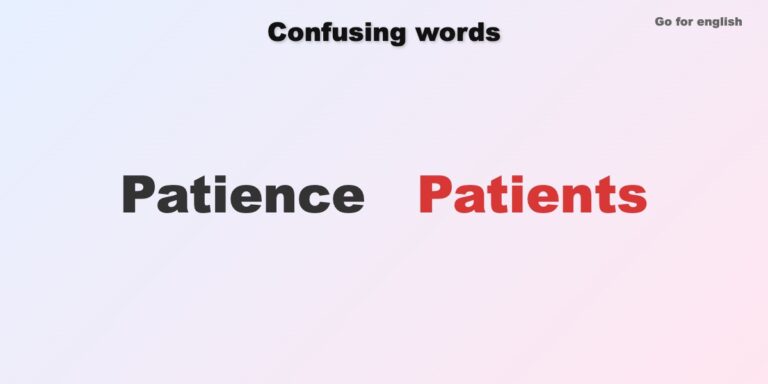
Patience vs Patients

In the world of English, a common source of confusion lies in the subtle yet significant difference between “patience” and “patients.” For many learners, these two words sound alike but carry entirely different meanings, leading to frequent mix-ups in both writing and conversation. Grasping the...

Anyone vs Someone

In the vast world of English, the nuances of language often leave learners scratching their heads, and the distinction between “anyone” and “someone” is no exception. For many, these two seemingly simple words can create moments of uncertainty, particularly when conveying specific ideas or emotions....

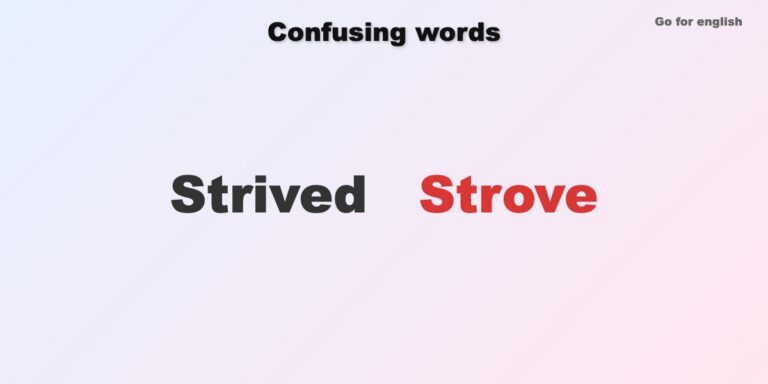
Strived vs Strove: Understanding the Differences and Usage

In the world of English language learners, few distinctions spark as much confusion as the difference between “strived” and “strove.” While both words convey a sense of effort and determination, their usage can leave even seasoned writers scratching their heads. Grasping the nuances of these...

She vs Her

Navigating the world of pronouns can sometimes feel like walking through a maze, especially when it comes to the distinction between “she” and “her.” Many learners find themselves puzzled by these two words, not realizing that mastering their use is essential for clear and effective...

Nobody vs No One: Understanding the Differences and Usage in English

In the vast landscape of the English language, the distinction between “nobody” and “no one” often trips up even the most diligent learners. This confusion can lead to awkward phrasing and miscommunication, which is why grasping the nuances of these terms is essential for anyone...

Copywritten vs Copyrighted

In today’s digital landscape, the terms “copywritten” and “copyrighted” often confuse even the most savvy content creators. This misunderstanding can lead to significant legal pitfalls and hinder effective communication, making it essential for learners to grasp the distinction between these two concepts. Recognizing the difference...

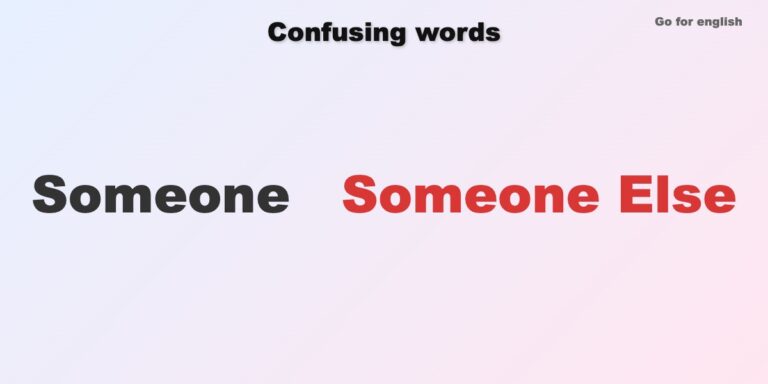
Someone vs Someone Else

In the world of English, the distinction between “someone” and “someone else” can often be a source of confusion for learners. This subtle difference may seem trivial at first, but mastering it is crucial for effective communication and clarity in conversation. Understanding these terms not...

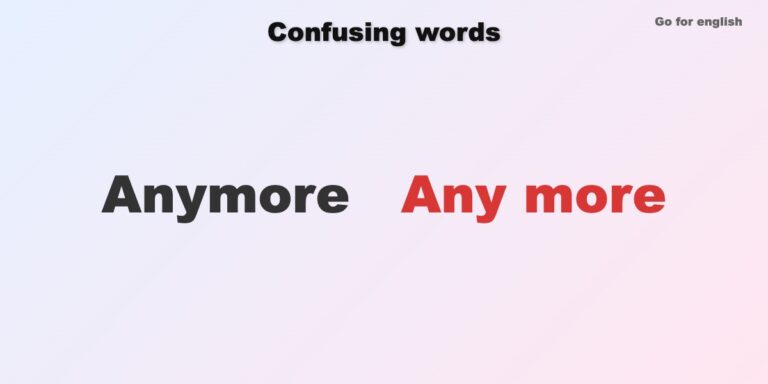
Anymore vs Any more

In the world of English, even the smallest nuances can lead to significant confusion, and the distinction between “anymore” and “any more” is a prime example. Many learners find themselves puzzled by these two similar-sounding phrases, often using them interchangeably without realizing that each serves...

Goal vs Ambition: Understanding the Key Differences for Success

Many people often find themselves tangled in the web of terms like “goal” and “ambition,” using them interchangeably without realizing the subtle yet significant differences that set them apart. For English learners and anyone keen on personal development, grasping these distinctions is crucial; it not...

You vs Yourself

In the journey of self-discovery and personal growth, many individuals find themselves grappling with the distinction between “You” and “Yourself.” This seemingly simple difference can often lead to confusion, especially for those learning English, where the nuances of language play a crucial role in effective...

Over Time vs Overtime

Many English learners find themselves puzzled by the nuances of similar phrases, and the distinction between “Over Time” and “Overtime” is no exception. Grasping the difference between these two terms is crucial, especially in contexts where precise language can significantly impact meaning. Whether you’re discussing...

Acknowledgement vs Acknowledgment

In the world of English language nuances, the debate between “acknowledgement” and “acknowledgment” often leaves even the most diligent learners scratching their heads. This seemingly minor spelling difference can lead to confusion, but grasping the distinction is crucial for effective communication and writing clarity. As...

Per cent vs Percent

Confusion often arises when we encounter the terms “Per cent” and “Percent,” leaving many learners wondering if there’s a significant difference between the two. Understanding this distinction is crucial not only for mastering English but also for effective communication in contexts like finance, statistics, and...

Among vs Amongst: Understanding the Differences and Usage

In the vast landscape of the English language, even the smallest words can spark confusion, and few pairs are as perplexing as “among” and “amongst.” Many learners grapple with these terms, unsure of when to use one over the other. Grasping the nuances between them...

Begin typing your search term above and press enter to search. Press ESC to cancel.

Back To Top